
Feature: Iowa farmers look forward to more stable China
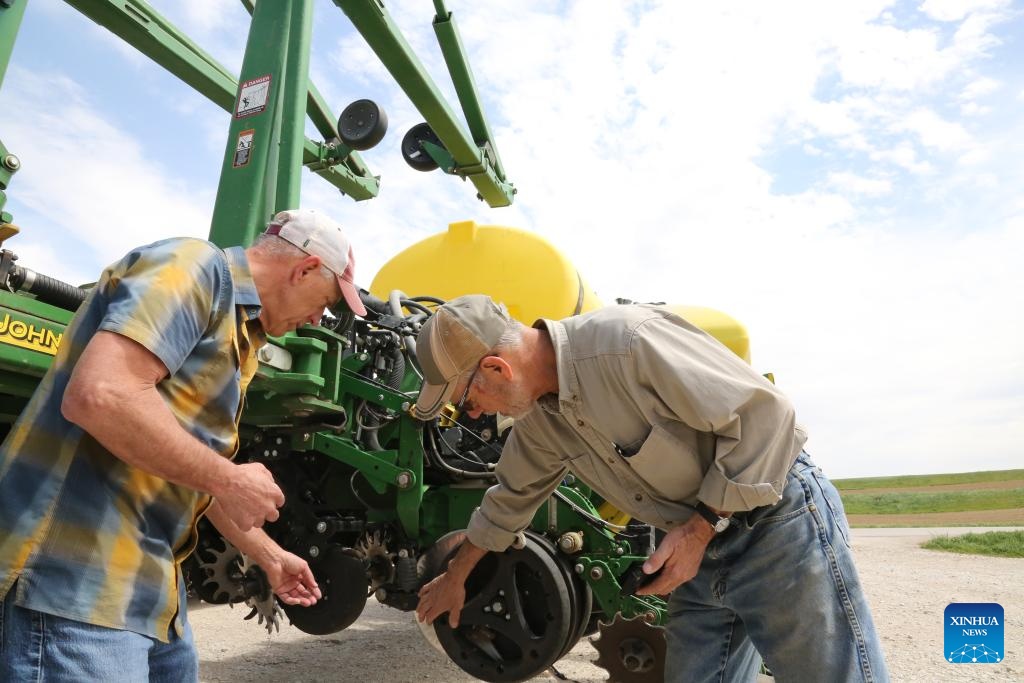
Randy Renze (L) and Scott Renze check a seeding machine at a farm in Manning, Iowa, the United States, on May 12, 2026. As China and the United States pledged to advance a constructive relationship of strategic stability following the recent summit in Beijing, farmers and agricultural groups in the U.S. Midwest voiced hope that more stable bilateral ties could help ease growing uncertainty in American agriculture.(Xinhua/Zhang Fengguo)
by Xinhua writers Yang Shilong, Xie E, Zhang Fengguo
DES MOINES, the United States, May 29 (Xinhua) -- As China and the United States pledged to advance a constructive relationship of strategic stability following the recent summit in Beijing, farmers and agricultural groups in the U.S. Midwest voiced hope that more stable bilateral ties could help ease growing uncertainty in American agriculture.
For farmers in Iowa, one of the country's largest agricultural states, predictability has become increasingly difficult amid global economic volatility, rising production costs and geopolitical tensions.
"You can't -- nothing's predictable," said LaVon Griffieon, who farms with her husband Craig near Ankeny, Iowa.
The Griffieons said recent years have brought sharp increases in fuel, fertilizer and equipment costs, placing growing financial strain on many family farms.
"The day the Iran war started, our fuel prices jumped 30 cents," Craig Griffieon said, adding that prices kept rising for several days.
The couple recently spent about 11,000 U.S. dollars to fill a diesel tank used for tractors and farm machinery.
Across Iowa, farmers described an industry increasingly shaped by forces beyond their control, including extreme weather, inflation, global conflicts and policy uncertainty.
Analysts say many of the current pressures facing U.S. agriculture are closely tied to policy shifts in recent years, including tariff wars, supply-chain disruptions and escalating geopolitical tensions that have contributed to higher operating costs and greater market uncertainty.
Farmers noted that rising fuel prices affect nearly every stage of agricultural production, from transporting fertilizer and seed to planting, harvesting and shipping crops.
"When you increase that fuel cost, it isn't just driving down the road, it's every little piece," said Randy Renze, who farms with his brother Scott near Manning, Iowa.
Scott Renze said modern agriculture now requires farmers to constantly adapt to multiple overlapping risks.
"You have economic impacts, political impacts, weather impacts, disease impacts," he said. "All of those things become part of the daily management."
To cope with volatility, some producers have diversified into livestock and other agricultural sectors in an effort to spread risk and improve long-term resilience.
"At least when you have livestock, you can potentially spread the risk," Randy Renze said.
Agricultural industry groups welcomed signs of improved communication between Beijing and Washington, saying stable relations between the two countries are important not only for farmers, but for global food security and broader economic stability.
Grant Kimberly, senior director of market development for the Iowa Soybean Association, said farmers have experienced growing financial pressure since 2023 as production costs rose while commodity prices remained under pressure.
"It's been a very challenging environment," Kimberly said.
Kenneth Quinn, president emeritus of the World Food Prize Foundation, said agriculture remains one of the most practical and mutually beneficial areas for cooperation between China and the United States.
"Farmers need stability and predictability," Quinn said, adding that when farmers make planting decisions and purchase inputs, they need confidence about the future.
Quinn added that instability in global energy markets, particularly around key shipping routes in the Middle East, has increased uncertainty for agricultural producers worldwide.
Observers say the latest China-U.S. summit has sent a positive signal to global markets at a time when many industries are seeking stability amid economic headwinds and geopolitical tensions.
For many farmers in Iowa, the renewed emphasis on dialogue and constructive engagement between Beijing and Washington is seen as an encouraging step toward reducing uncertainty and supporting long-term global economic stability.
"It has to be a win-win situation," said Rick Kimberly, a longtime Iowa farmer and the father of Grant. ■
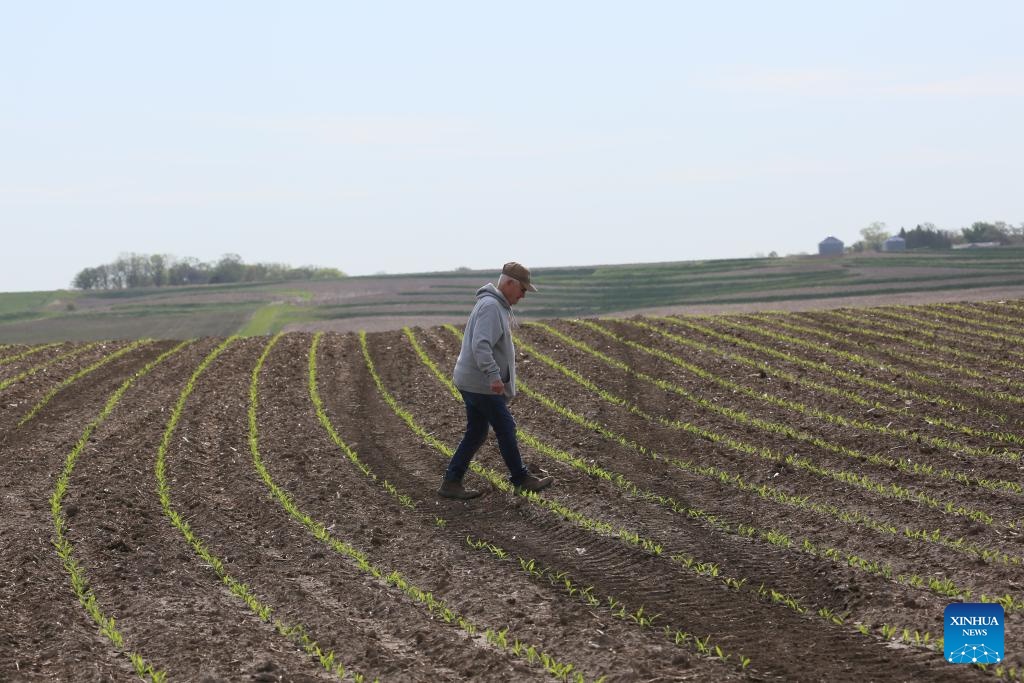
A farmer inspects corn seedlings at a farm in Atlantic, Iowa, the United States, on May 11, 2026. As China and the United States pledged to advance a constructive relationship of strategic stability following the recent summit in Beijing, farmers and agricultural groups in the U.S. Midwest voiced hope that more stable bilateral ties could help ease growing uncertainty in American agriculture.(Xinhua/Zhang Fengguo)

LaVon Griffieon (R) speaks during an interview with Xinhua at her farm in Ankeny, Iowa, the United States, on May 15, 2026. As China and the United States pledged to advance a constructive relationship of strategic stability following the recent summit in Beijing, farmers and agricultural groups in the U.S. Midwest voiced hope that more stable bilateral ties could help ease growing uncertainty in American agriculture.(Xinhua/Zhang Fengguo)
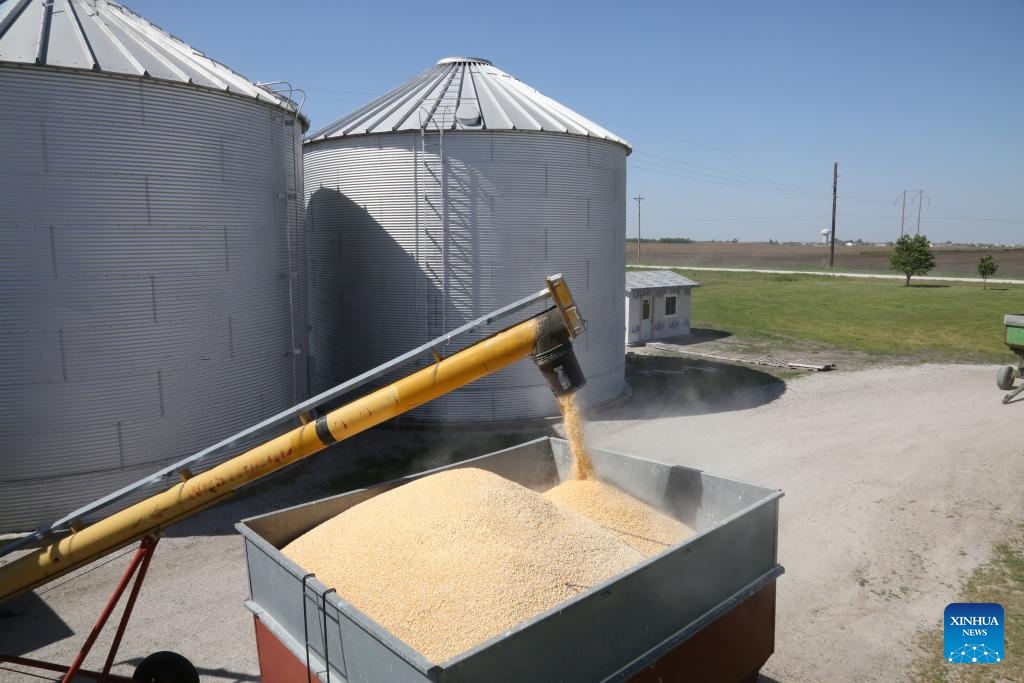
A truck is loaded with corn seeds at Craig & Lavon Griffieon Farm in Ankeny, Iowa, the United States, on May 15, 2026. As China and the United States pledged to advance a constructive relationship of strategic stability following the recent summit in Beijing, farmers and agricultural groups in the U.S. Midwest voiced hope that more stable bilateral ties could help ease growing uncertainty in American agriculture.(Xinhua/Zhang Fengguo)
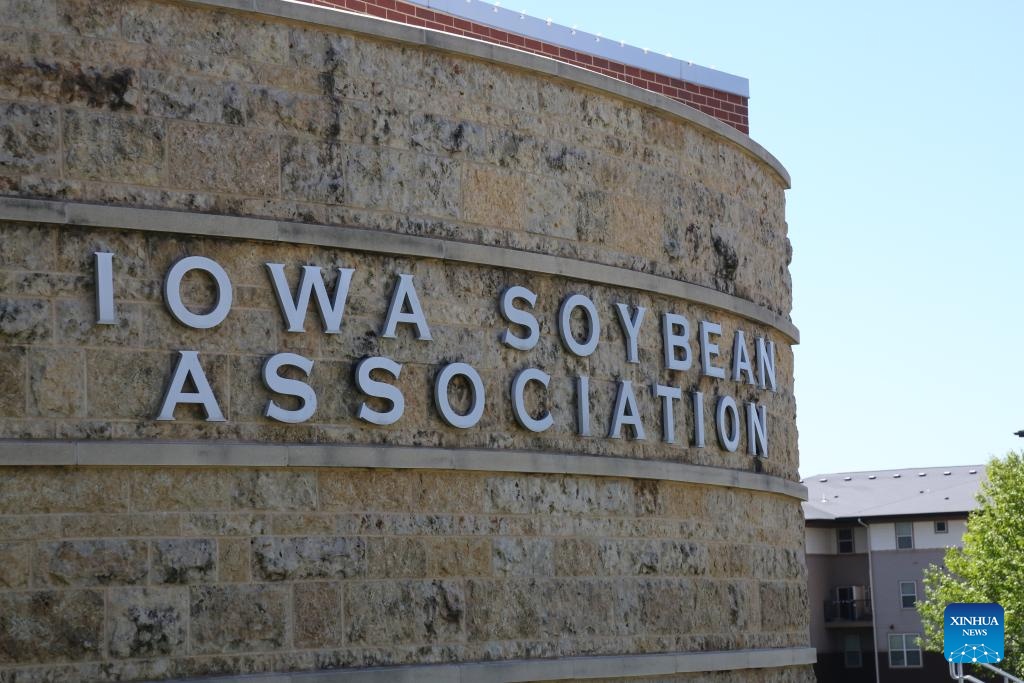
Photo taken on May 13, 2026 shows the building of the Iowa Soybean Association in Ankeny, Iowa, the United States. As China and the United States pledged to advance a constructive relationship of strategic stability following the recent summit in Beijing, farmers and agricultural groups in the U.S. Midwest voiced hope that more stable bilateral ties could help ease growing uncertainty in American agriculture.(Xinhua/Zhang Fengguo)
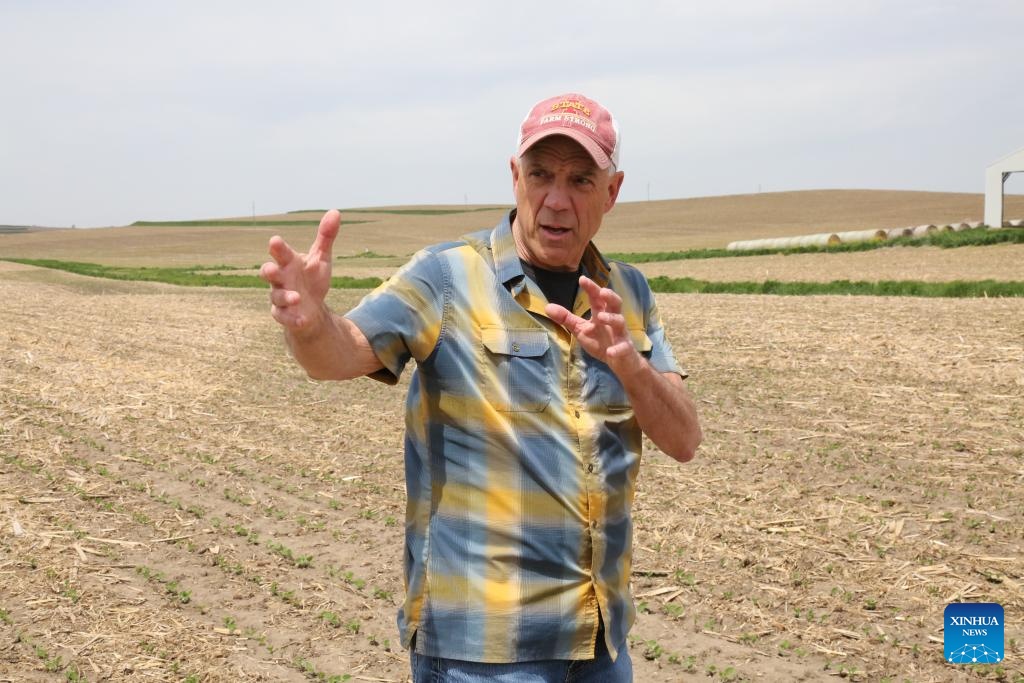
Randy Renze speaks during an interview with Xinhua at his farm in Manning, Iowa, the United States, on May 12, 2026. As China and the United States pledged to advance a constructive relationship of strategic stability following the recent summit in Beijing, farmers and agricultural groups in the U.S. Midwest voiced hope that more stable bilateral ties could help ease growing uncertainty in American agriculture.(Xinhua/Zhang Fengguo)
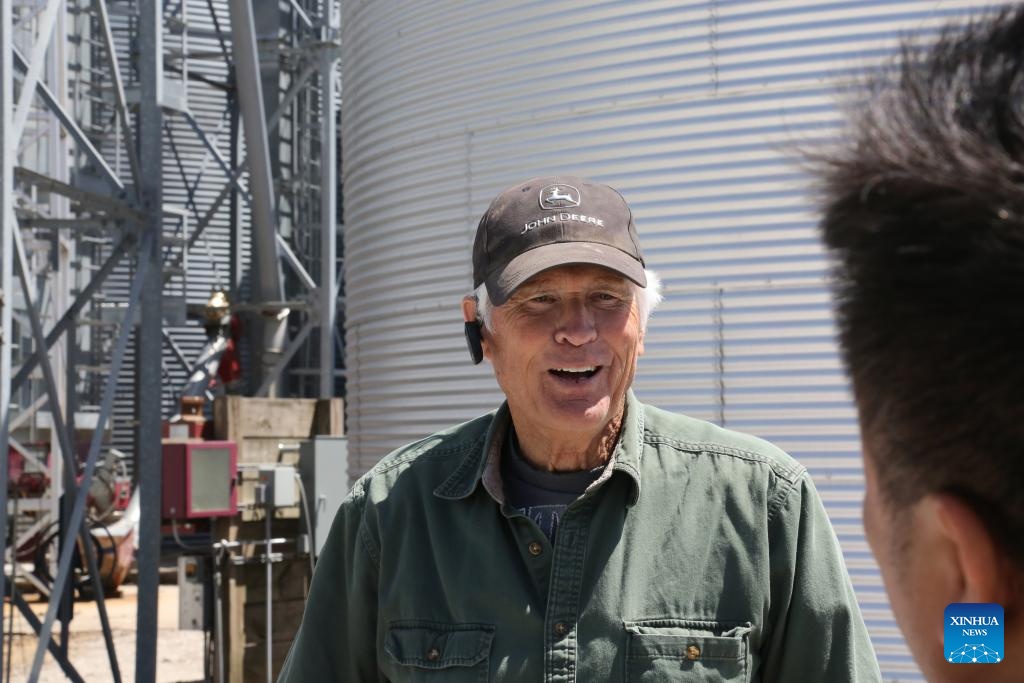
Rick Kimberly speaks during an interview with Xinhua at his farm in Maxwell, Iowa, the United States, on May 14, 2026. As China and the United States pledged to advance a constructive relationship of strategic stability following the recent summit in Beijing, farmers and agricultural groups in the U.S. Midwest voiced hope that more stable bilateral ties could help ease growing uncertainty in American agriculture.(Xinhua/Zhang Fengguo)
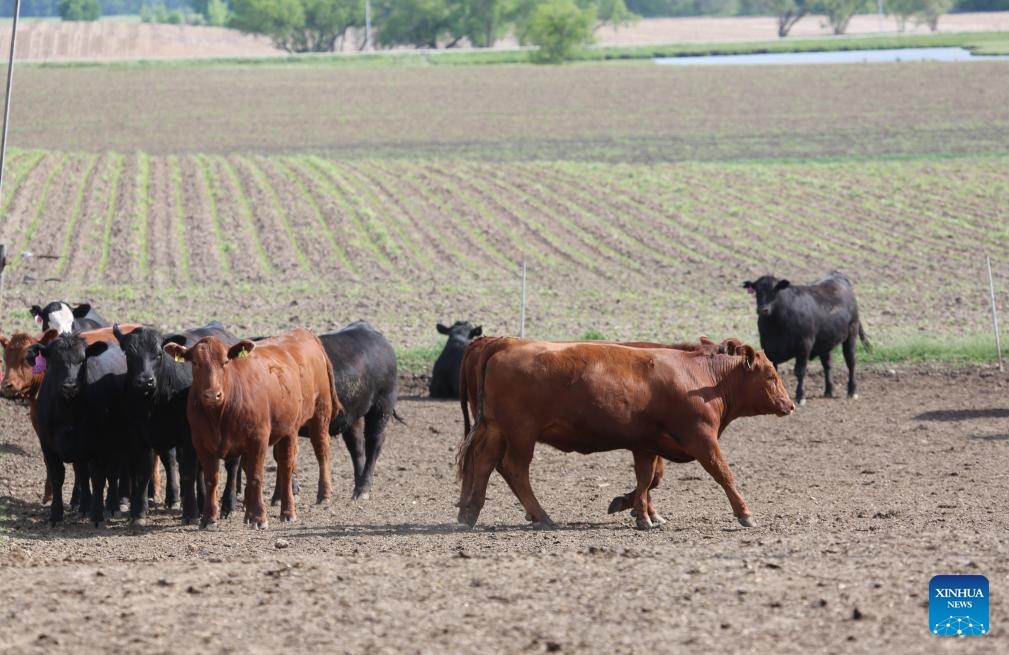
Cattle are seen in Bridgewater, Iowa, the United States, on May 11, 2026. As China and the United States pledged to advance a constructive relationship of strategic stability following the recent summit in Beijing, farmers and agricultural groups in the U.S. Midwest voiced hope that more stable bilateral ties could help ease growing uncertainty in American agriculture.(Xinhua/Zhang Fengguo)

Kenneth Quinn, president emeritus of the World Food Prize Foundation, speaks during an interview with Xinhua in Des Moines, Iowa, the United States, on May 13, 2026. As China and the United States pledged to advance a constructive relationship of strategic stability following the recent summit in Beijing, farmers and agricultural groups in the U.S. Midwest voiced hope that more stable bilateral ties could help ease growing uncertainty in American agriculture.(Xinhua/Zhang Fengguo)
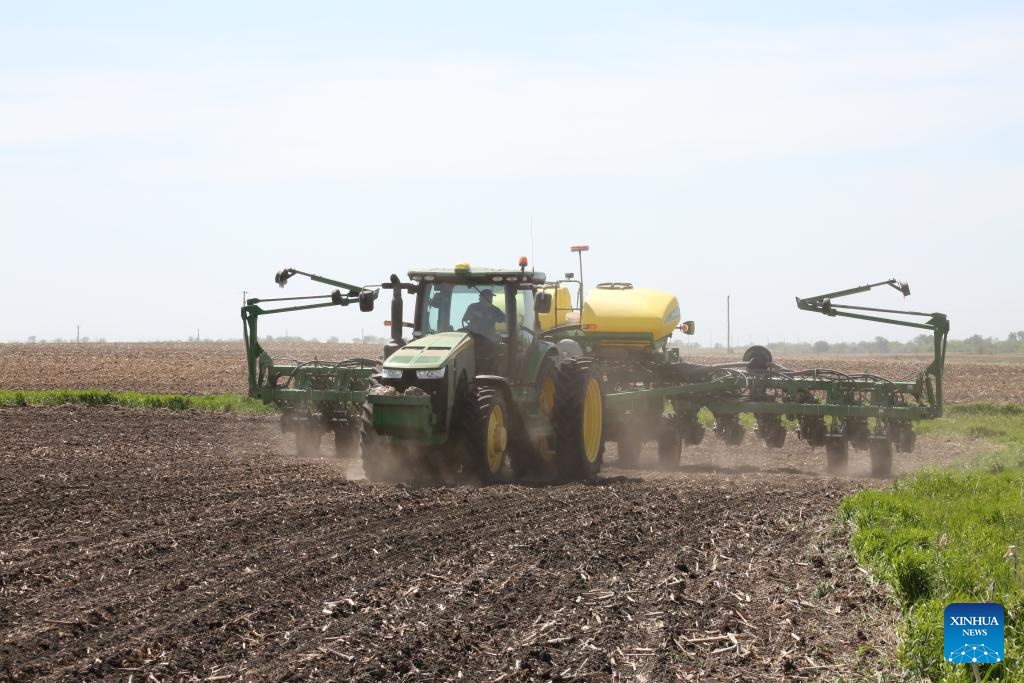
A farmer operates a seeding machine at Rick Kimberly Farm in Maxwell, Iowa, the United States, on May 14, 2026. As China and the United States pledged to advance a constructive relationship of strategic stability following the recent summit in Beijing, farmers and agricultural groups in the U.S. Midwest voiced hope that more stable bilateral ties could help ease growing uncertainty in American agriculture.(Xinhua/Zhang Fengguo)
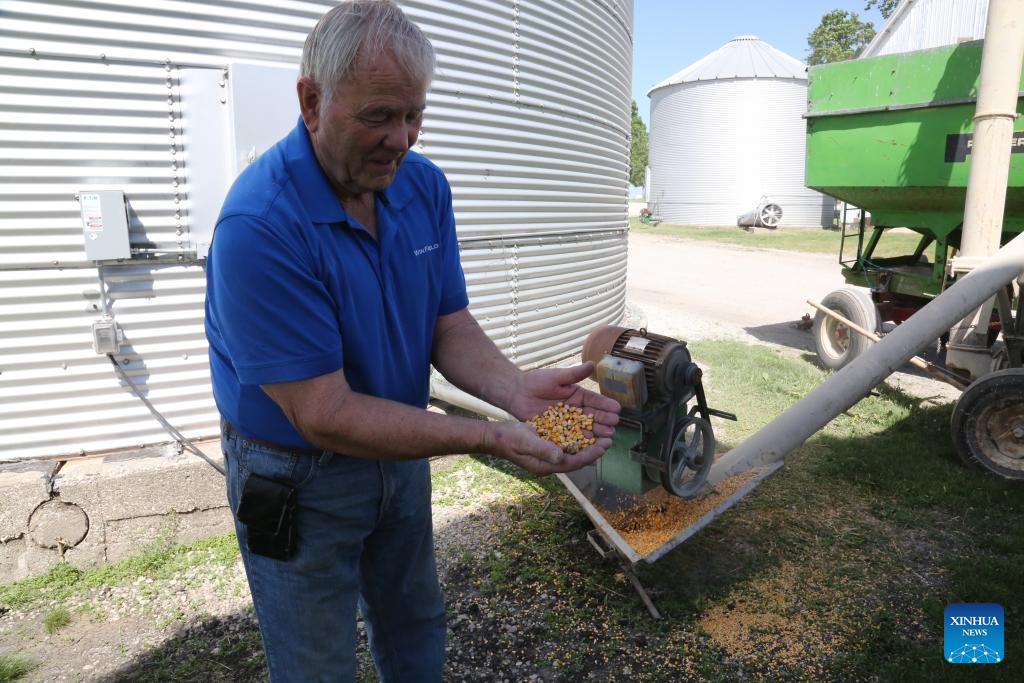
Craig Griffieon shows corn seeds during an interview with Xinhua at his farm in Ankeny, Iowa, the United States, on May 15, 2026. As China and the United States pledged to advance a constructive relationship of strategic stability following the recent summit in Beijing, farmers and agricultural groups in the U.S. Midwest voiced hope that more stable bilateral ties could help ease growing uncertainty in American agriculture.(Xinhua/Zhang Fengguo)
(责任编辑:{typename type="name"/})
- 25fall英国硕士申请截止时间
- 截至4月底我国5G基站总数超500万个
- 书香绽童趣 诗韵庆六一
- 香港1.7亿落袋 内地20亿谈崩?世界杯转播权区别对待?
- 加拿大留学期间转学申请流程全解
- 平均每天多烧6.8亿元:外卖大战谁是赢家
- 钟祥六中开展2026年课桌舞展示暨庆“六一”主题活动
- 国产电视称霸Q1国内电视市场 外资品牌合计份额不足3%
- 加拿大女王大学留学雅思成绩要求详解
- 监利消防为水产产业园区送上“安全必修课”
- 闻“汛”而动筑牢“三道防线” 多方协同全力抢险救援守护安全底线
- 老年画玩出新花样 武汉乡村博物馆成网红打卡点
- 北京高颜值蓝天上线!天空撒满“爆米花云”
- 沙洋县检察院深入田间地头宣讲民法典